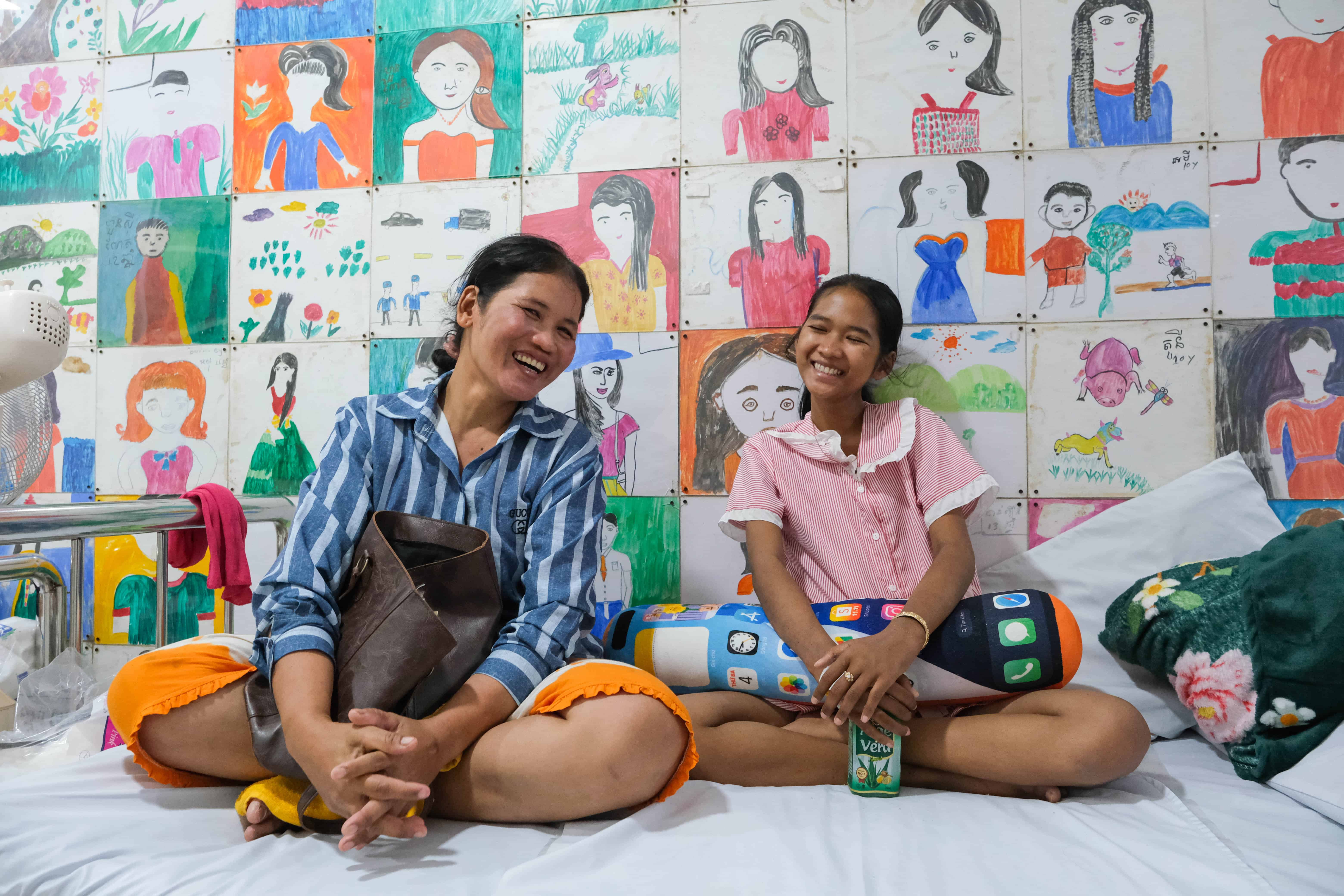
In mid-July, Channry, 15, had just finished Grade 9. Bright, smart, and looking forward to the year ahead, she had no idea that within days she would become so seriously ill that she could have lost her life.
“She had a high fever one night. I didn’t hesitate and took her to a private clinic close to home straight away for a blood test, and we stayed there for two nights,” explained Pheara, Channry’s mother. “Even after two days, her condition had not improved, and the clinic referred us to the provincial hospital.”
Worried about facing long hours in a queue there, Pheara decided to take her daughter to another private clinic instead. Her fear only grew when, after just one night, they were transferred again, this time by ambulance to AHC.
“When we came here, she was barely conscious. She needed oxygen; she was confused, unable to talk properly, and was rambling so much. She has always been very quiet, so it was very scary to see,” said Pheara.
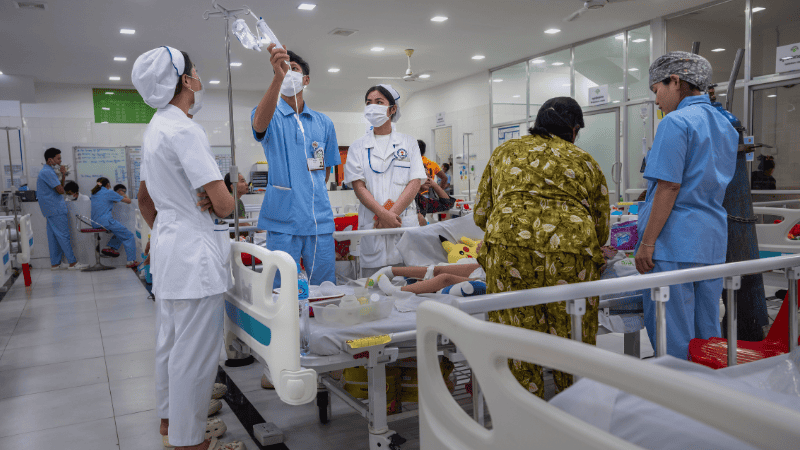
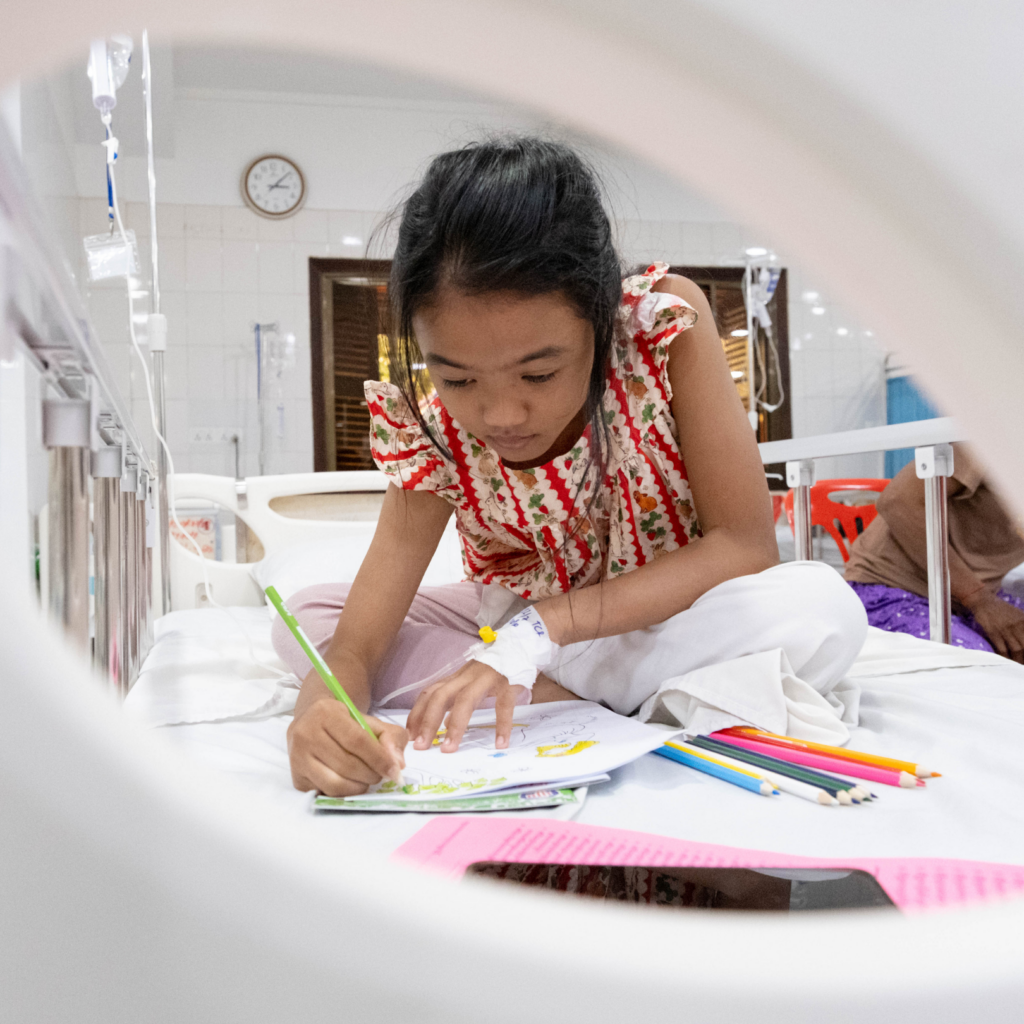
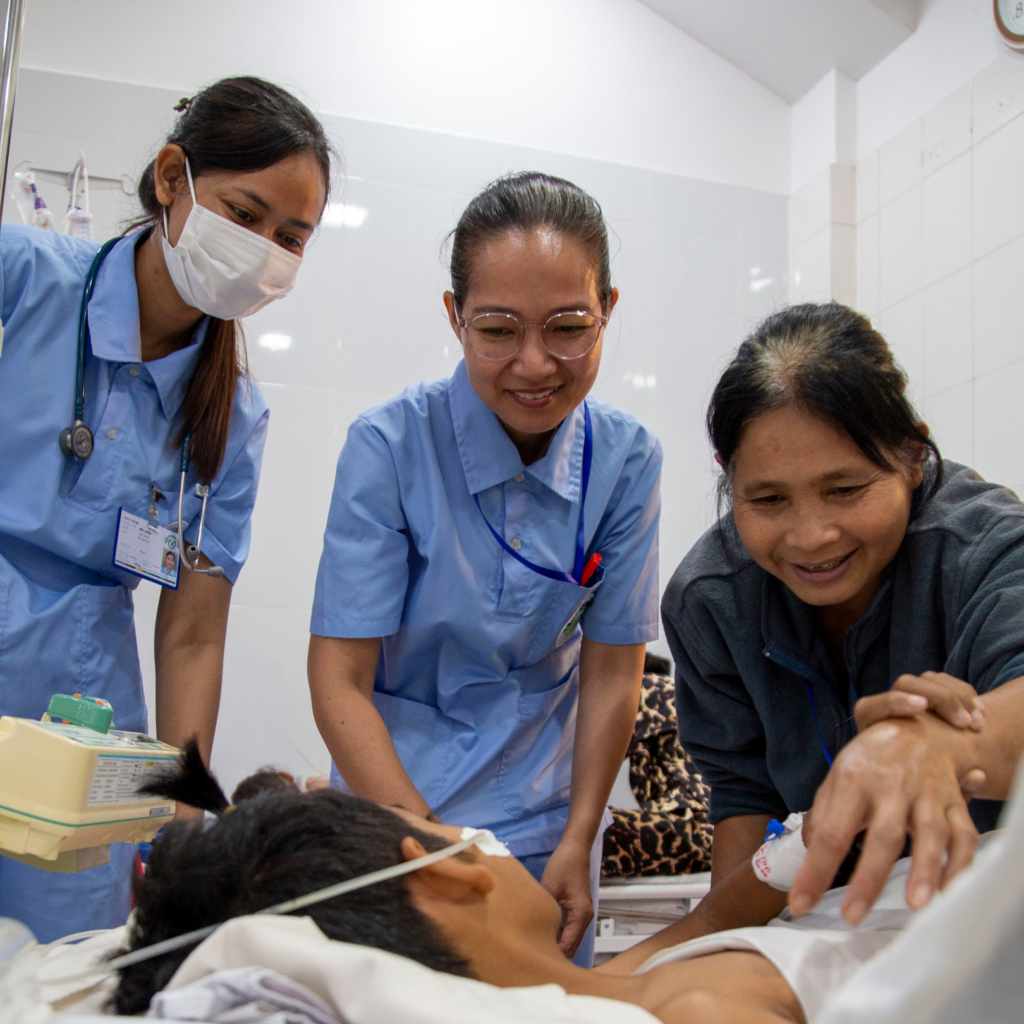
At AHC, Channry was admitted straight to the Intensive Care Unit, where she stayed for 17 days before moving to the Inpatient Department for a further 17 days, spending 34 days in hospital in total. During that time, she lost significant weight, dropping as low as 31 kilograms before slowly regaining her strength.
“When the patient arrived, she was very agitated and having difficulty breathing, in shock and with fluid overload. She was diagnosed with dengue shock syndrome with fluid overload and severe sepsis, or septic shock,” explained Dr Singheng, Chief of In-Patient Department (IPD1).
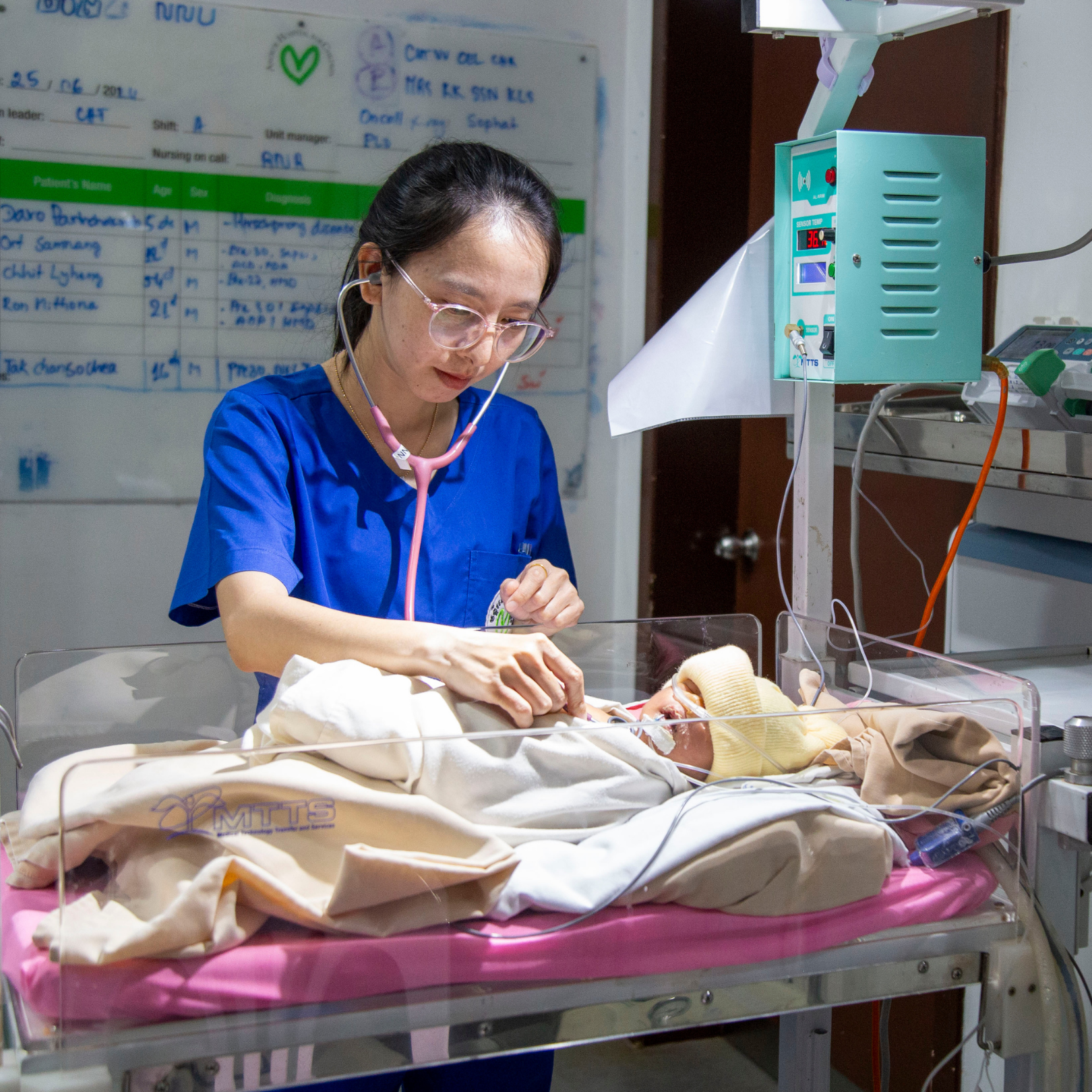
The medical team ran a full set of tests and treated her with fluids, antibiotics and oxygen support. As her condition worsened, she also needed a ventilator to help her breathe. Doctors said it was an unusually severe case, made rarer still by a co-infection that was resistant to many antibiotics and carried a high risk of death when combined with septic shock.
Around ten days into her stay in the ICU, her mother was told the news no parent wants to hear.
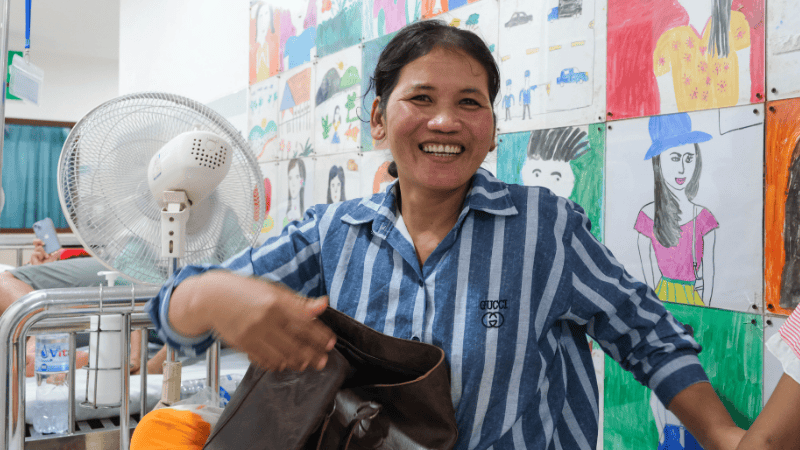
“The doctors told us that her chance of survival was very slim, and we almost lost all hope and really wanted to go home. If she was going to pass, we wanted to be at home,” Pheara said. “But they convinced us to stay one more week. We listened, and after just five days she started to improve. It was, for lack of a better word, a miracle.”
Because of Channry’s poor condition and inability to eat, the medical team worked closely with the nutrition team to support her recovery. Good nutrition supported her body’s healing and helped protect her from further infection, while also helping to prevent the muscle loss and fatigue that can come with a prolonged illness.
“While she was on the ventilator in the ICU, Channry was fed a specially prepared porridge through a feeding tube, alternated every four hours with a nutritional supplement. Once she had improved enough to come off the ventilator and move to the IPD1, we changed her diet as she was able to start eating by herself again,” said Nurse Phannsy, Nutrition Team Lead.
Among the dengue cases our medical team has admitted this rainy season, Channry’s is one of the most serious. She has now nearly recovered fully, although she will continue treatment for a further two to four weeks, followed by 12 to 20 weeks of follow-up after discharge to ensure the infection is completely cleared.
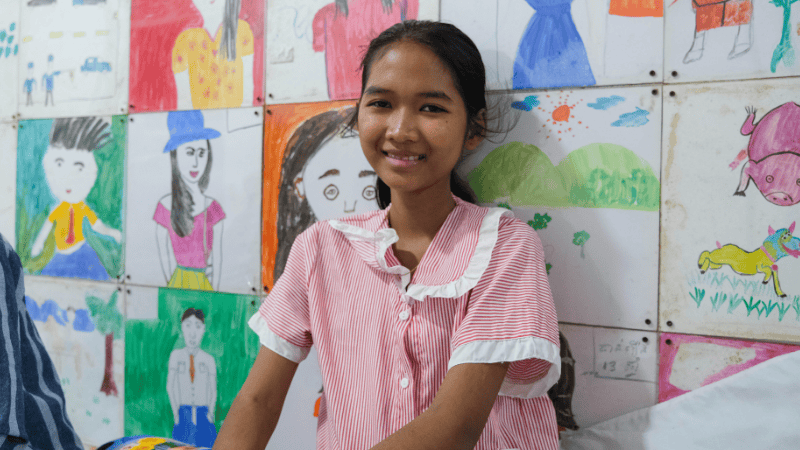
“This case took the combined efforts of our whole team: medical expertise, equipment, protocols and the nutrition team,” said Dr Singheng. “We’re grateful we were able to give her that chance, and relieved to see her recover so well.”
This case is a reminder that whilst dengue fever is common, it can also lead to severe, life-threatening complications if not treated quickly and closely monitored.
“My daughter is almost back to full health now. I didn’t think that was possible at one point. I want other parents to know that if their child is in a similar situation, never lose hope, and trust the team here,” said Pheara.